 Search

 中文简体
中文简体What are the differences in the structural design of disposable kraft paper packing boxes for different types of food
Packaging Design Requirements for Dry Food
Dry foods, such as nuts, biscuits, and cereals, require kraft paper packing boxes that prioritize compressive strength and moisture resistance. Boxes must maintain their shape during stacking, storage, and transportation. Thick kraft paper or double-layer structures are often used to enhance load-bearing capacity. Lid designs typically feature flip-top or tuck-in closures to ensure sealing and minimize air and moisture intrusion, preserving the freshness of the food.
Dry food packaging does not require high breathability but must provide easy opening for consumers while maintaining folding efficiency and production cost-effectiveness. Reinforced bottoms improve overall strength and reduce product damage during shipping.
Packaging Design Requirements for Moist Foods
Moist foods, such as pastries, mooncakes, and sandwiches, emphasize moisture and oil resistance along with structural support. Kraft paper boxes often include anti-oil or waterproof coatings, such as PE or PLA films, to prevent paper softening due to liquid absorption.
Structural reinforcement at the bottom and sides prevents collapse under the weight or moisture content of the food. Lid designs require secure closure, often using interlocking or sliding mechanisms to enhance transport safety. High-end packaging may include internal trays or dividers to stabilize food placement and prevent deformation during transit.
Packaging Design Requirements for Fast Food and Takeout
Fast food and takeout items, such as fried chicken, burgers, rice dishes, and salads, require kraft paper boxes that are oil-resistant, leak-proof, ventilated, and heat-tolerant. Boxes must maintain sealing while allowing steam to escape, preventing sogginess and moisture buildup.
Thick kraft paper and interlocking or foldable structures are commonly used to ensure durability and ease of handling. Heat insulation is critical to protect consumers and maintain product quality during delivery. Some boxes feature ventilation holes to maintain food texture and prevent condensation.
Packaging Design Requirements for Frozen Food
Frozen foods, including ice cream and frozen meals, require kraft paper boxes with low-temperature resistance and water repellency. Specially treated paper prevents brittleness and deformation under cold, humid conditions.
Structural designs focus on condensation prevention and shape retention. Reinforced and thickened bottoms are essential. Lids are typically nested or use snap closures to maintain seal integrity and prevent leakage of frozen liquids. Easy opening after freezing is also a key consideration.
Packaging Design Requirements for Liquid Food
Liquid foods, such as soups, beverages, and sauces, demand the highest level of leak-proof performance. Standard kraft paper boxes are insufficient for direct liquid storage and require inner linings, such as waterproof films or aluminum layers, to ensure leak resistance.
Box structures often feature reinforced corners or multi-folded edges to enhance stability. Lid designs use sealing strips or heat sealing to prevent spillage during transport. Some packages incorporate pour spouts or drinking openings, balancing convenience and safety.
Recommended products
-
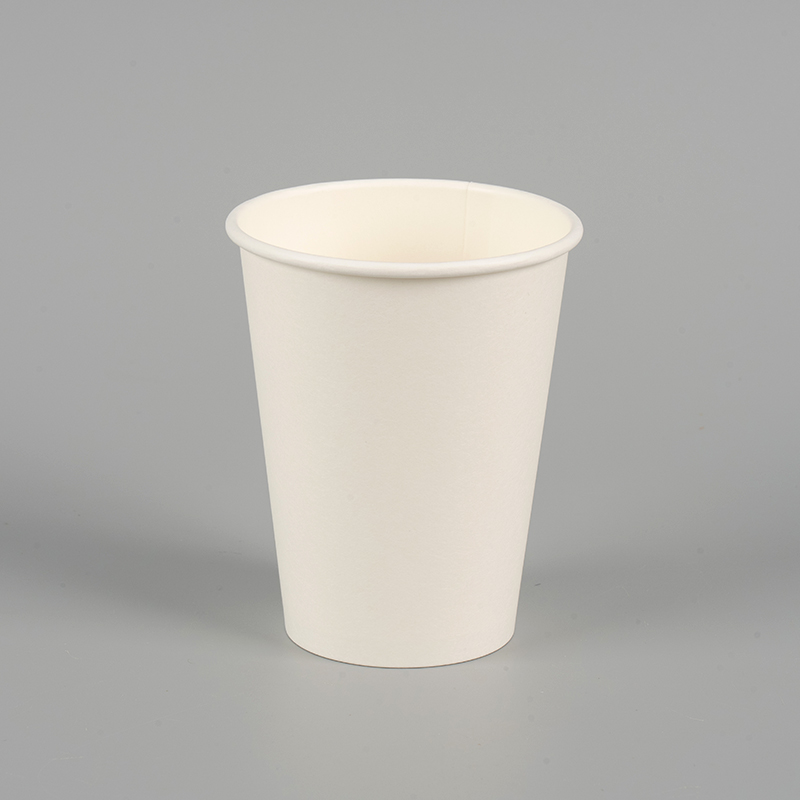
Environmental friendly single wall hot drink paper cup
-
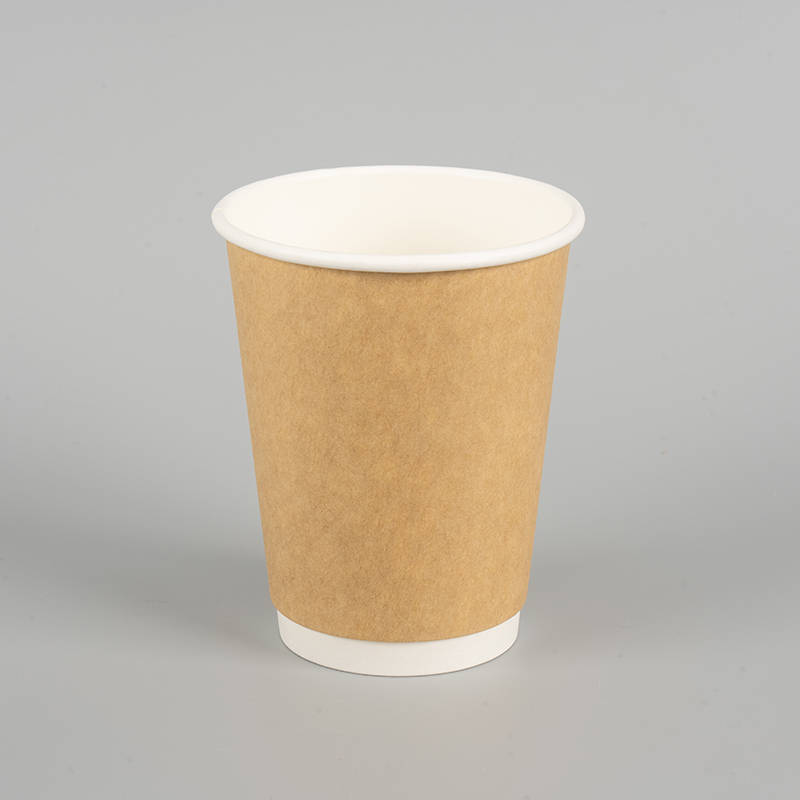
Insulated double-layer corrugated cup
-
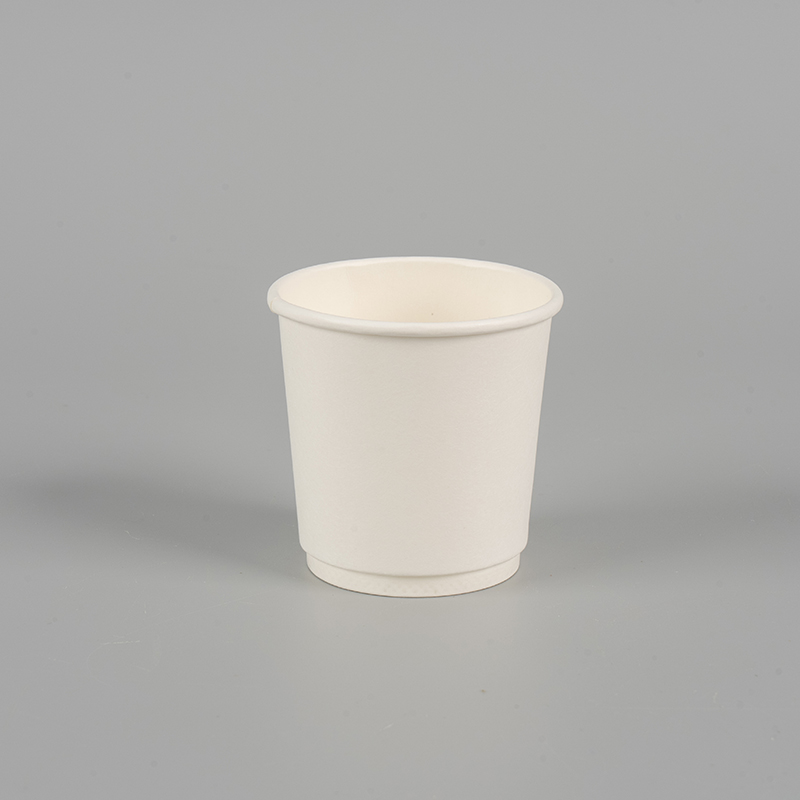
Insulated double-layer hollow cup
-
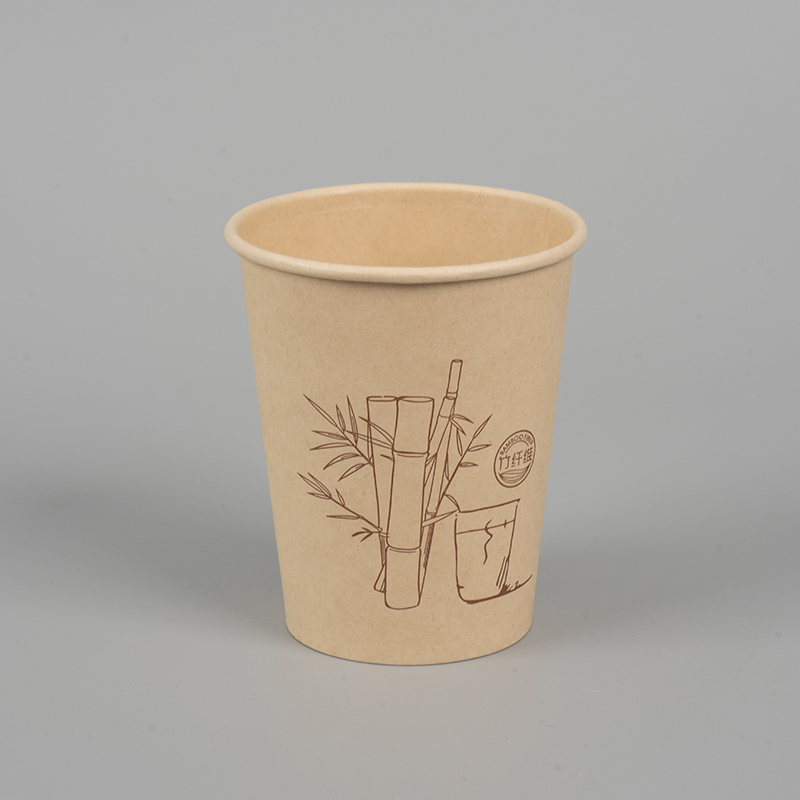
Single layer disposable bamboo pulp hot cup
-
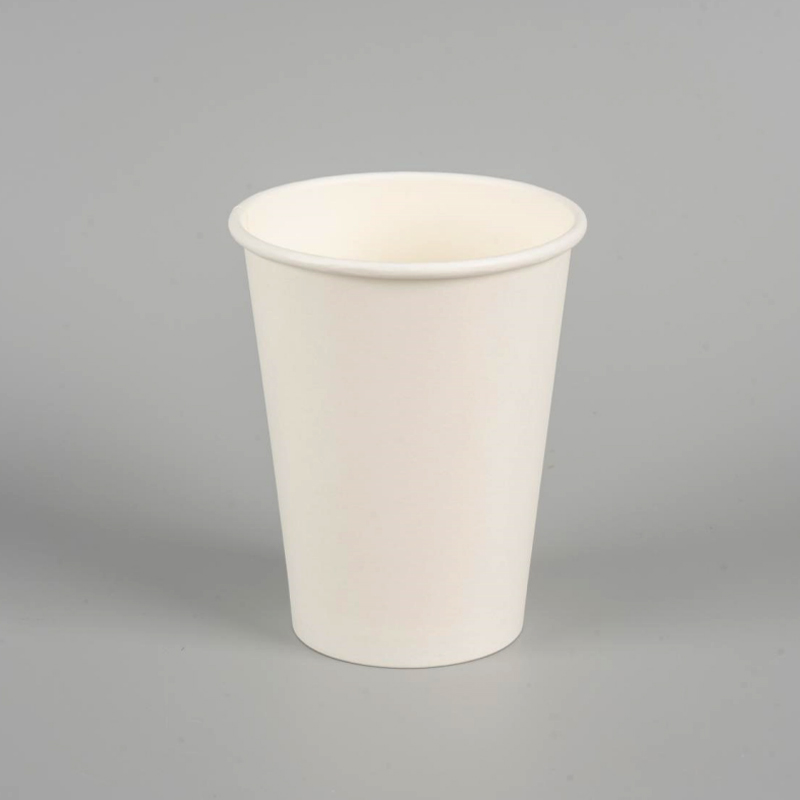
Recyclable cold drink paper cup
-
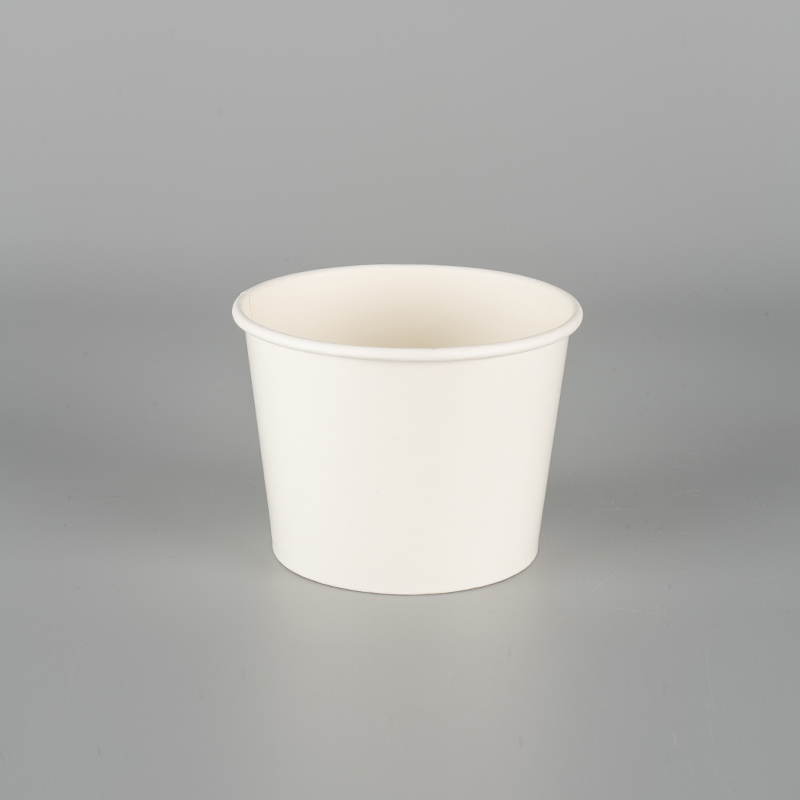
Recyclable leakproof ice cream paper cup
-
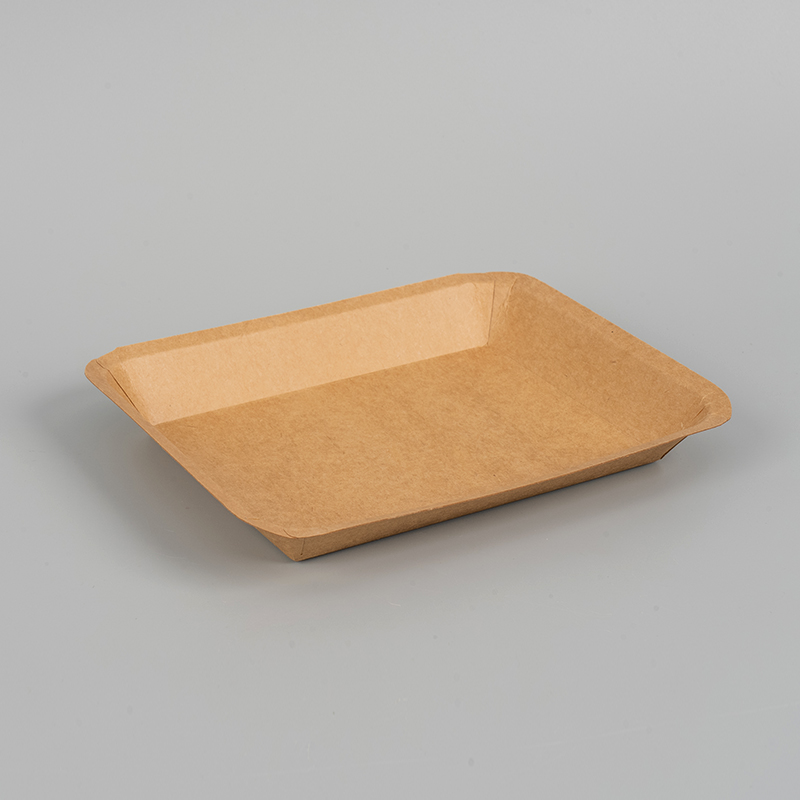
Stackable lightweight paper pallets
-
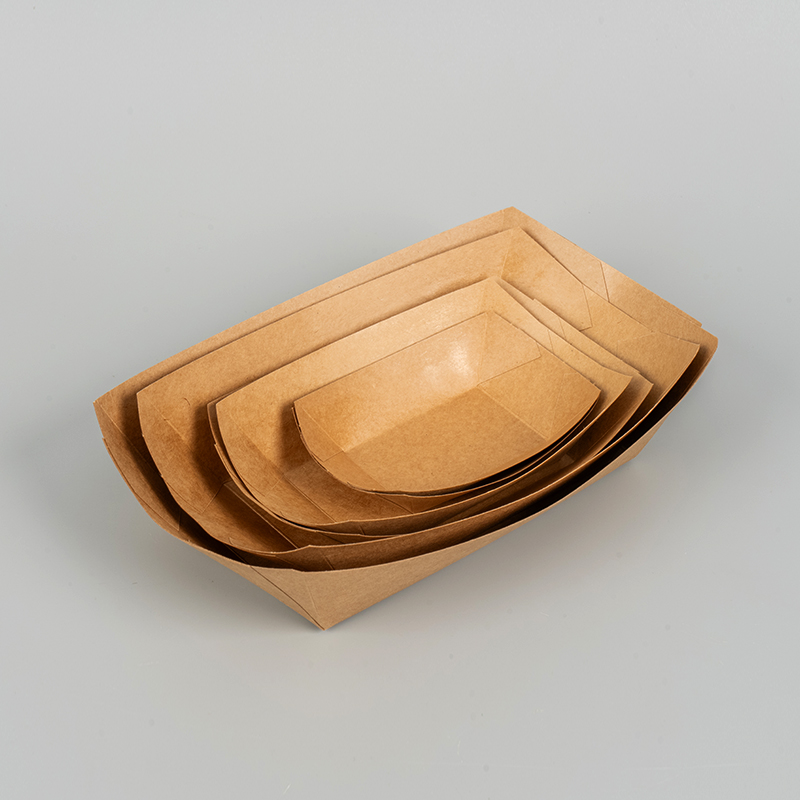
Recyclable ship type paper tray
-
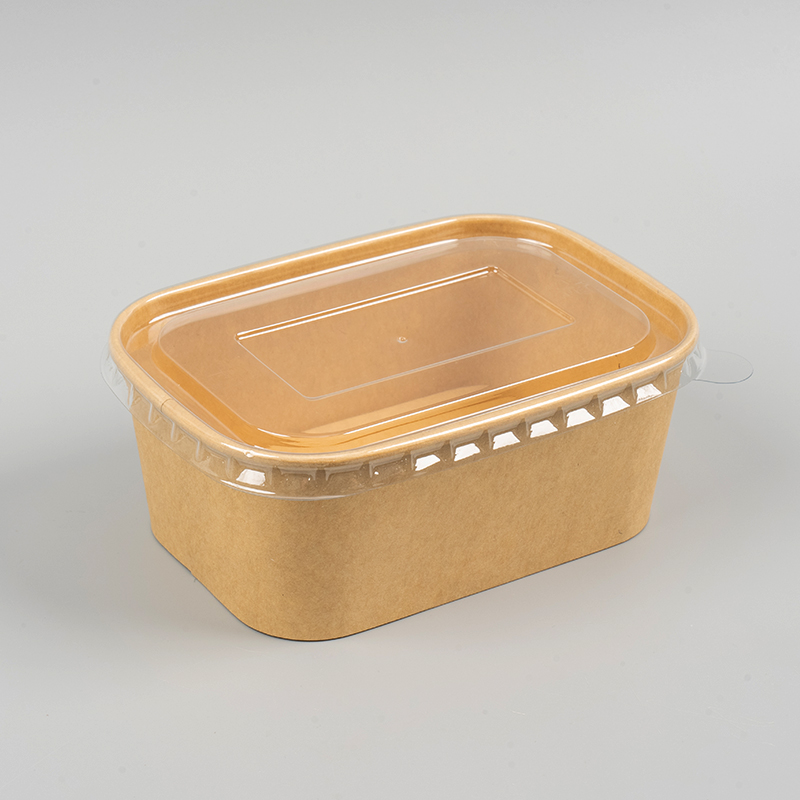
paper rectangular bowl
-
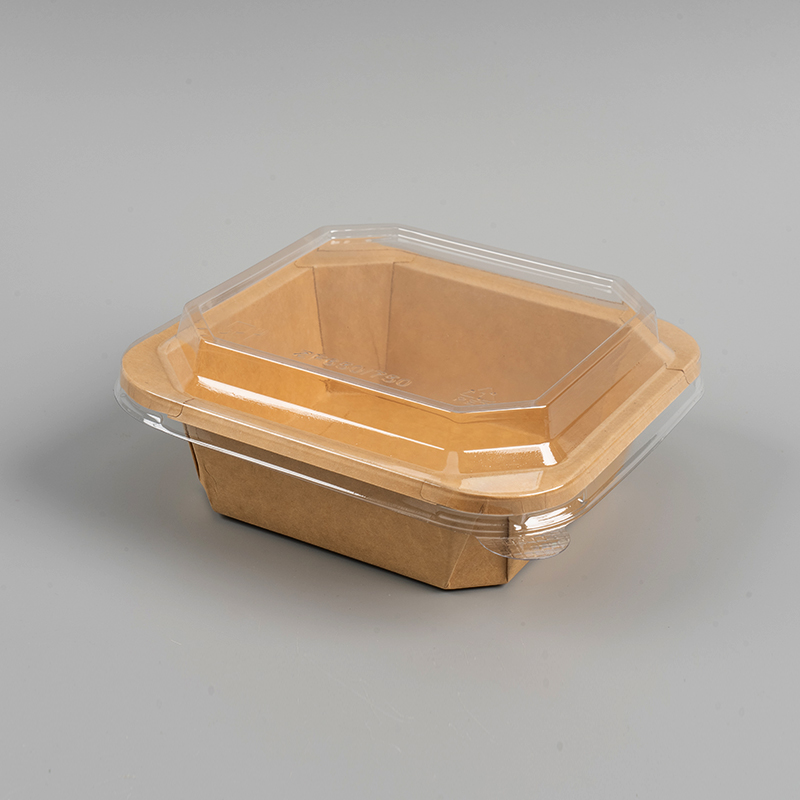
paper square tray
-
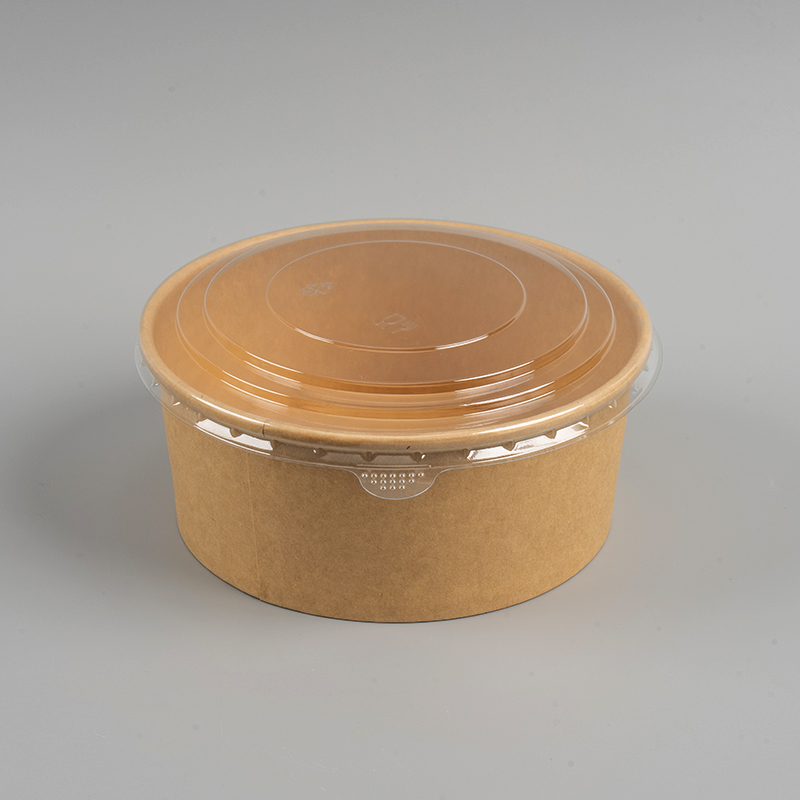
Compostable salad bowl with lid
-
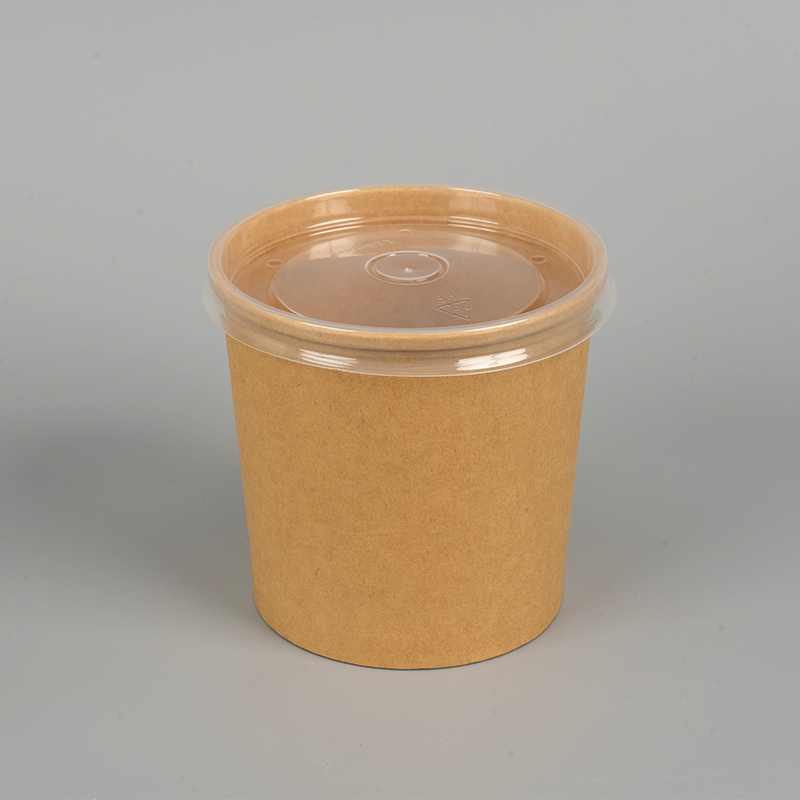
Eco-friendly kraft soup bowl
