 Search

 中文简体
中文简体What are the environmental requirements during the production process of disposable kraft paper packaging boxes
Raw Material Selection and Sustainability
The production of disposable kraft paper packing boxes begins with raw material selection. Environmentally friendly production requires prioritizing renewable and recyclable paper materials to reduce forest resource consumption. Kraft paper should come from sustainably managed forests, certified by organizations such as FSC (Forest Stewardship Council) or PEFC (Programme for the Endorsement of Forest Certification). Suppliers must provide environmental certificates and traceable documentation to ensure minimal environmental impact from the source.
Recycled kraft paper is a key choice for sustainable production. Using recycled paper reduces the demand for virgin pulp and effectively lowers carbon emissions and water usage during production. Some manufacturers also choose chlorine-free bleached kraft paper to reduce potential chemical hazards to both the environment and human health.
Pollution Control in Production Processes
The production process of kraft paper boxes includes die-cutting, creasing, gluing, and printing. Each step may generate wastewater, air emissions, and solid waste, requiring strict control. Paper trimmings from die-cutting and creasing should be collected and recycled to prevent environmental contamination.
The printing process requires particular attention. Conventional inks often contain volatile organic compounds (VOCs), which can negatively impact air quality. Environmentally friendly alternatives such as water-based inks, vegetable oil-based inks, or biodegradable inks are recommended to reduce VOC emissions. Printing wastewater must be treated using specialized systems to ensure compliance with national or local environmental standards.
Wastewater and Air Emission Treatment
Wastewater in production primarily comes from equipment cleaning, printing, and coating processes, containing pulp residues, pigments, and adhesives. Environmental regulations require wastewater treatment systems combining physical sedimentation, chemical coagulation, and biological treatment to ensure safe discharge or reuse.
Air emissions arise from printing, heat pressing, and coating operations. Manufacturers should install efficient dust collectors, deodorization systems, and VOC treatment devices to prevent direct release into the atmosphere. Advanced facilities may employ catalytic combustion or adsorption recovery to convert organic emissions into usable energy, improving resource efficiency.
Solid Waste Management
Solid waste generated during production includes paper offcuts, scrap, leftover ink, and packaging materials. Environmental requirements call for proper waste classification and management. Paper scraps can be recycled into new paper products or cardboard, creating a circular economy. Non-recyclable waste must be disposed of by certified waste management companies to prevent secondary pollution.
Adhesive and coating material containers should also be collected and reused whenever possible, minimizing the environmental footprint of packaging materials.
Energy Consumption and Carbon Emissions Management
Environmental production focuses on both pollution control and energy efficiency. Kraft paper box production involves high energy consumption due to machinery operation, drying, and heat pressing. Manufacturers can reduce energy use by optimizing equipment efficiency, using energy-saving motors, and implementing heat recovery systems.
Some enterprises also source green energy, such as solar, wind, or renewable electricity, to further reduce carbon emissions. Energy monitoring systems allow real-time tracking of energy consumption, enabling precise management that lowers costs while supporting sustainable production goals.
Environmental Management Systems
A comprehensive environmental management system is essential. This includes environmental risk assessment, emission monitoring, and emergency response planning. Regular environmental impact assessments ensure all production steps comply with national and local regulations. Certifications such as ISO 14001 or local environmental standards enhance the company’s credibility and consumer trust.
Employee training on environmental awareness is equally important. By educating production staff on wastewater, air emissions, solid waste, and energy management requirements, environmental measures can be effectively implemented at every production stage.
Recommended products
-

Environmental friendly single wall hot drink paper cup
-

Insulated double-layer corrugated cup
-
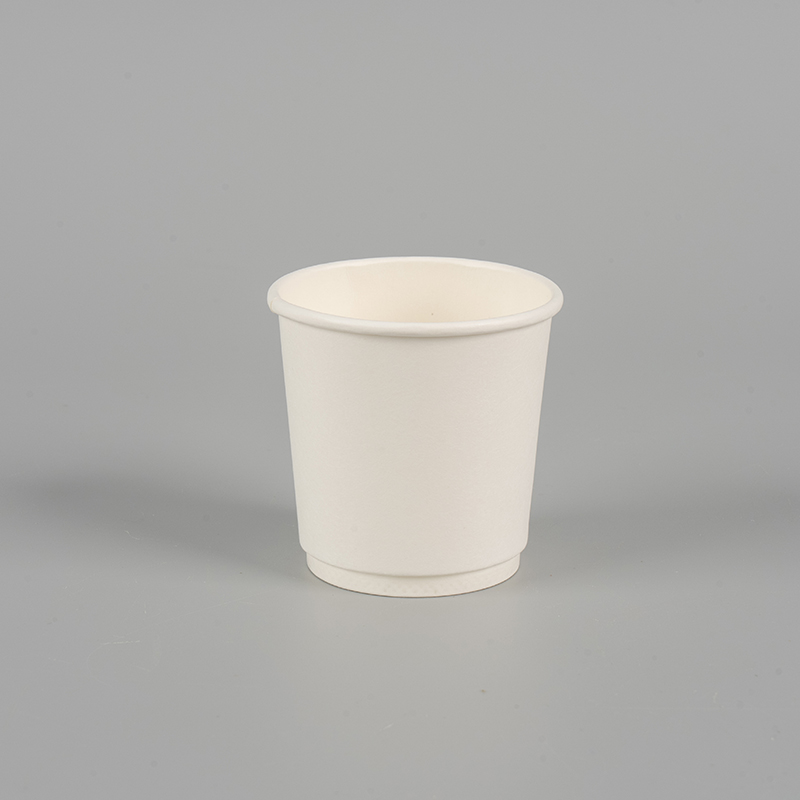
Insulated double-layer hollow cup
-

Single layer disposable bamboo pulp hot cup
-

Recyclable cold drink paper cup
-

Recyclable leakproof ice cream paper cup
-

Stackable lightweight paper pallets
-

Recyclable ship type paper tray
-
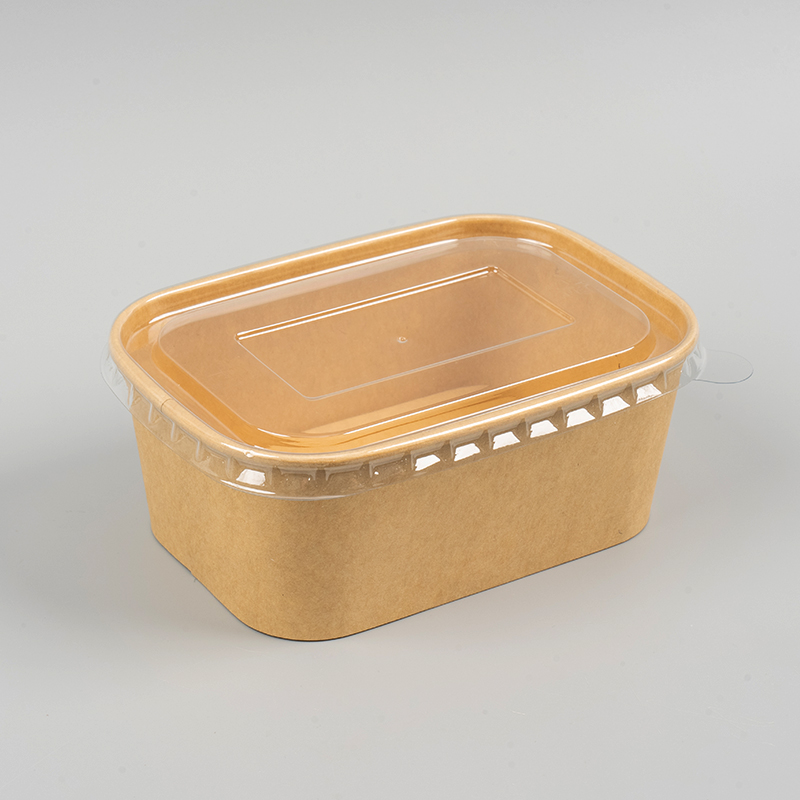
paper rectangular bowl
-
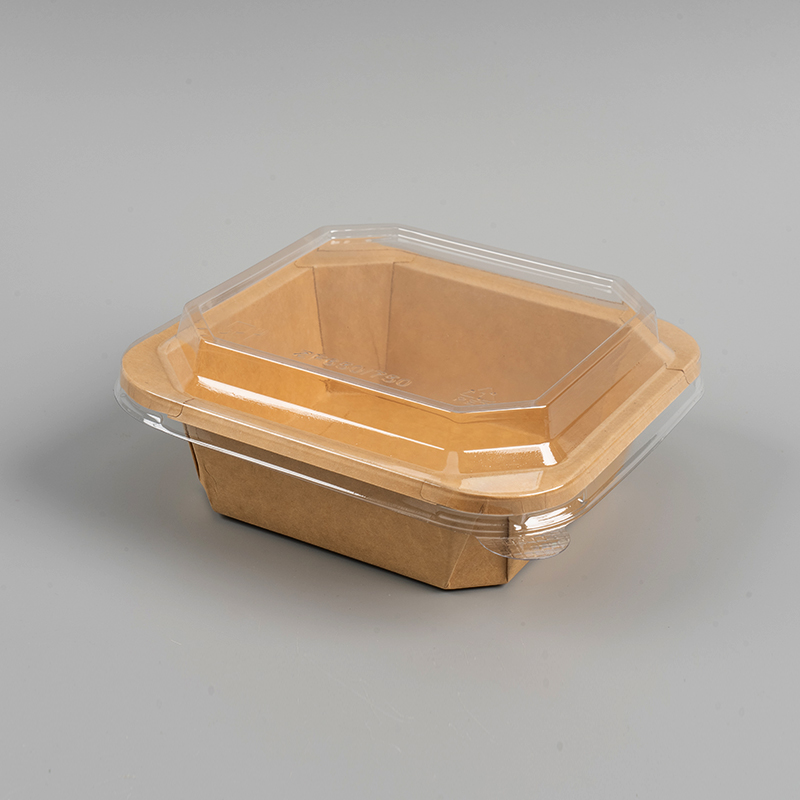
paper square tray
-
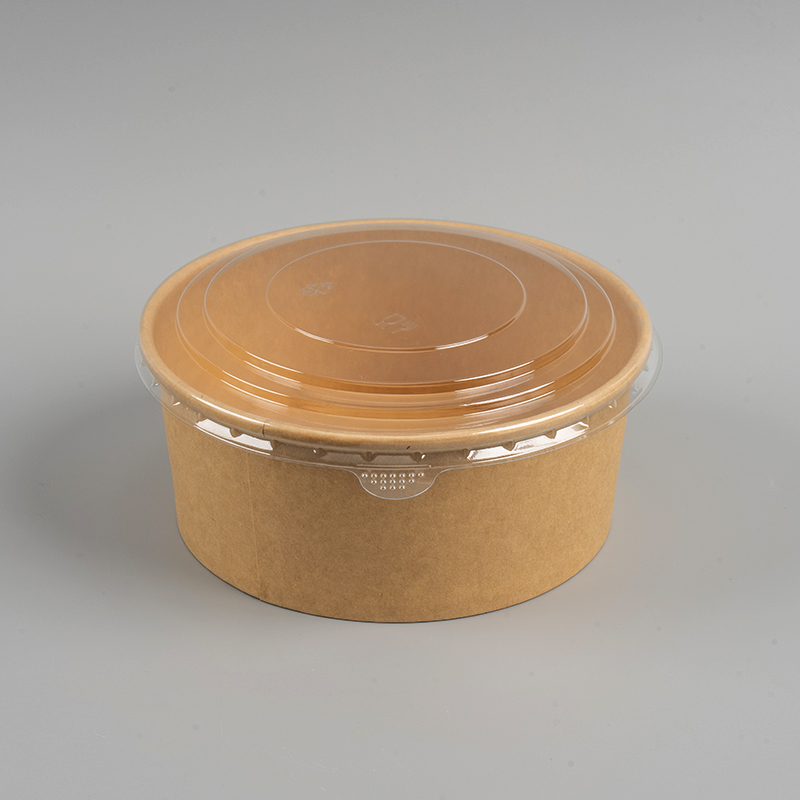
Compostable salad bowl with lid
-
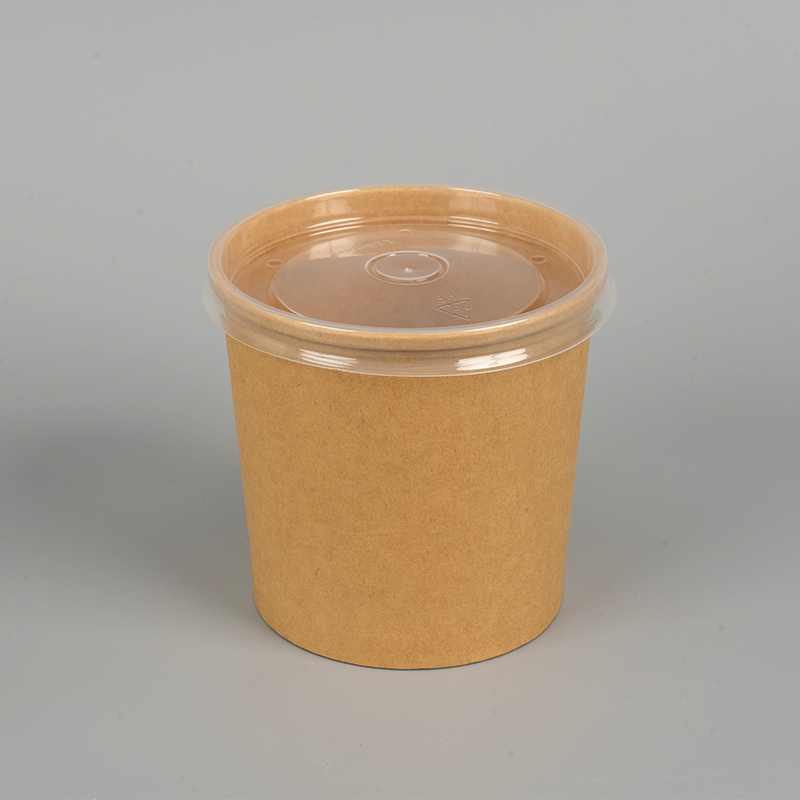
Eco-friendly kraft soup bowl
