 Search

 中文简体
中文简体What are the special requirements for the molding and sealing processes of large-capacity paper bowls
Base Paper Grammage and Structural Strength
Large-capacity paper bowls, generally defined as bowls with a volume of 1000 milliliters or more, require higher base paper grammage and structural strength than standard bowls. Paper weight typically ranges from 320 g/m² to 380 g/m² to ensure adequate compression resistance and deformation stability after forming. Paper stiffness, tensile strength, and interlayer bonding directly affect forming stability. Uniform fiber distribution and moisture content control are critical. Moisture content is generally maintained between 6% and 8% to enhance the controllability of paper deformation under mold pressure, reducing wall-thickness variations and surface wrinkling.
Deep Draw Forming and Mold Design
Large-capacity bowls feature deeper walls, requiring simultaneous longitudinal and transverse stretching during forming. Deep-draw processes impose strict requirements on mold angles, cavity smoothness, and stretch trajectories. Mold draft angles are typically maintained between 10° and 18° to minimize material resistance. Mold cavity surfaces are polished to mirror finish levels to reduce friction. Paper must exhibit sufficient elongation to avoid tearing or forming stretch marks in deep-wall structures. Mold clearances are controlled within ±0.02 mm to ensure forming consistency.
Temperature and Heat Press Control
Heat press conditions are critical for large-capacity bowl forming. Inner and outer layers must maintain stable temperatures to ensure proper melting and bonding of coatings such as PE or PLA. Heat press temperatures usually range from 230°C to 260°C. Temperatures below this range can lead to incomplete sealing, while temperatures above may cause material charring or odor. Heat press dwell times typically range from 0.6 to 1.2 seconds. Pressure is adjusted according to bowl volume and wall thickness, generally between 2.5–3.8 MPa.
High Wall-to-Diameter Ratio Forming
Large-capacity bowls often have a high wall-to-diameter ratio, sometimes exceeding 2:1. High-wall structures require uniform stress distribution during forming. Multi-step or segmented forming is commonly employed to gradually stretch the paper and avoid stress concentration. Edge rolling is reinforced, with rolled-edge height usually between 6 mm and 8 mm, providing additional rigidity and perimeter stability.
Wide Mouth Rolling and Edge Forming
Large-capacity bowls typically feature wide mouth openings suitable for food applications. Wide-mouth designs demand high edge-rolling strength. Rolling speeds are typically maintained between 1200–1600 cycles per hour to ensure circularity. Roll thickness is generally 2.5–3 times the base paper thickness to maintain shape integrity under high-temperature usage or external pressure.
Deep Bottom Pressing Requirements
The base of large-capacity bowls must withstand higher loads. Bottom pressing requires paper discs with increased stiffness and density. Press depth ranges from 1.8 mm to 2.5 mm to prevent bulging or leakage. Interlocking mechanisms at the bottom, including bottom glue bands of 4–6 mm, enhance mechanical strength. Pressing equipment requires high precision to avoid wrinkles or insufficient compression.
Side Seam Sealing Strength
Side seams in large-capacity bowls require higher bonding strength. Hot-melt sealing is commonly used, bonding two layers through heat. Side seam peel strength typically needs to exceed 65 N to prevent opening when filled with hot liquids or heavy food. Sealing pressure ranges from 3.5–4.2 MPa with uniform dwell time to ensure consistent adhesion. Seam alignment is controlled within 0.2 mm to prevent leakage or weak points.
Compatibility with Sealing Machines
Large-capacity bowls are often used for ready-to-eat meals, soups, and central-kitchen food distribution, requiring compatibility with film sealing or lid sealing machines. Seal surfaces must be smooth and flat with a tolerance of ±0.1 mm. Heat sealing temperatures range from 150°C to 180°C, dwell times from 0.5 to 0.8 seconds, and sealing pressures from 0.3–0.6 MPa. Surfaces must remain free of rough edges, curls, or depressions to ensure complete seals.
Compression and Deformation Testing
Finished large-capacity bowls must undergo compression and deformation testing. Typical compression loads range from 20–35 kg, ensuring no visible collapse. Deformation tests simulate transportation and usage conditions, including lateral, vertical, and stack pressure tests. Sidewall deformation is generally required to be below 5%, and bottom bulge resistance must last at least 120 seconds without leakage. These quantitative metrics are critical for reliability in food delivery and supply chains.
Dimensional Consistency and Mass Production Tolerances
Large-capacity paper bowls require high dimensional consistency during mass production. Mouth diameter tolerance is typically ±0.3 mm, wall height tolerance ±0.5 mm. Seam alignment, edge rolling, and base structure must remain uniform across batches. Stable production tolerances directly contribute to sealing reliability, a key technical requirement for commercial applications.
Recommended products
-
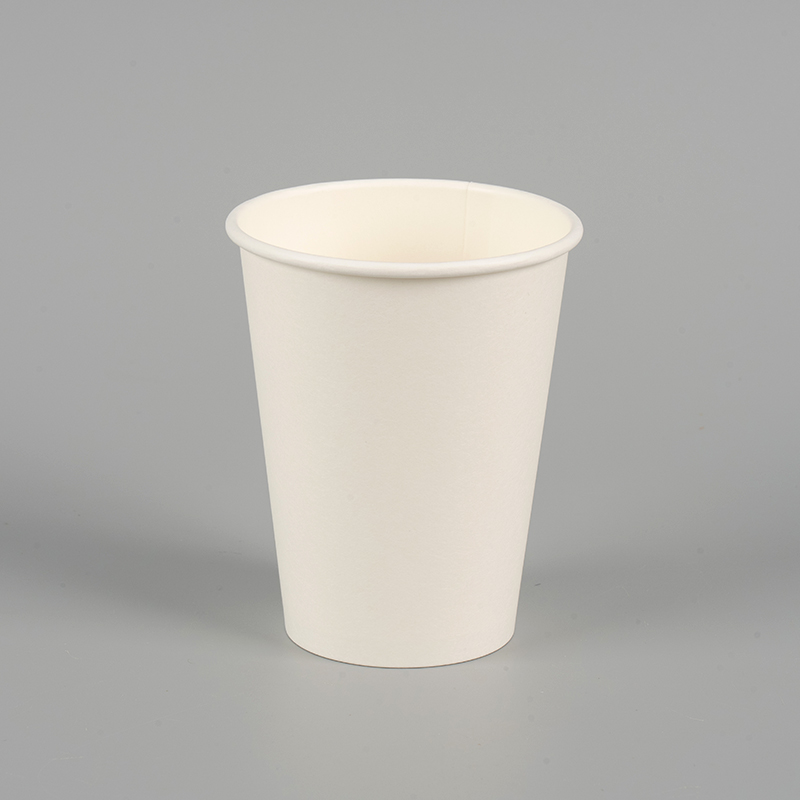
Environmental friendly single wall hot drink paper cup
-
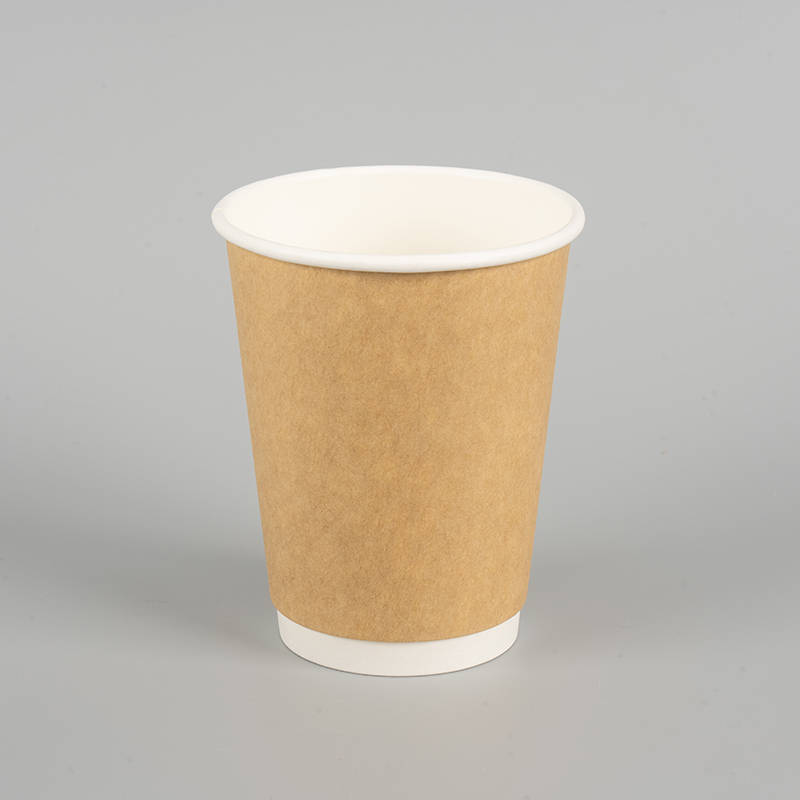
Insulated double-layer corrugated cup
-
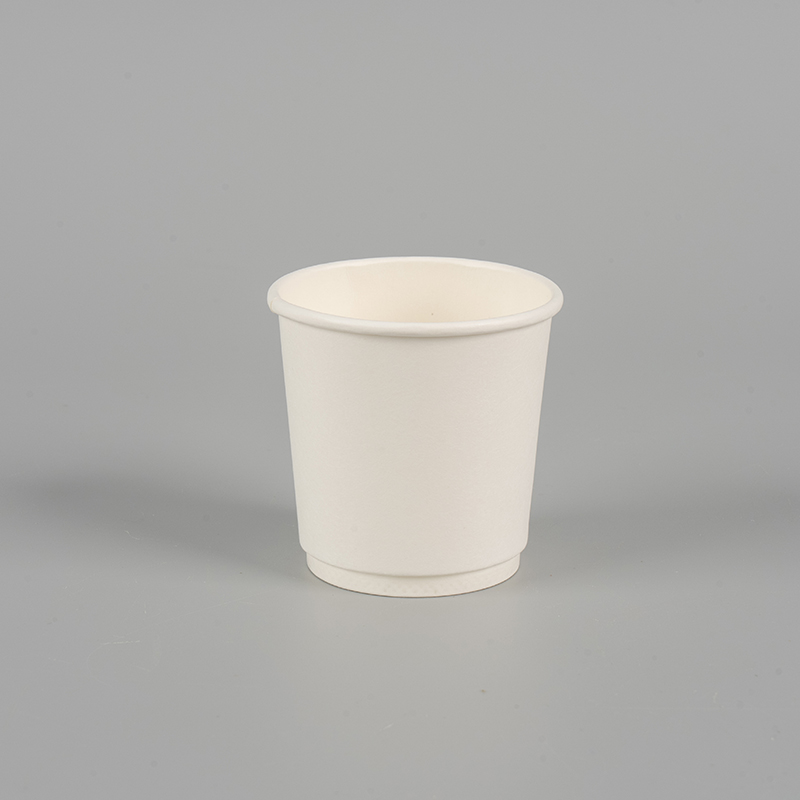
Insulated double-layer hollow cup
-
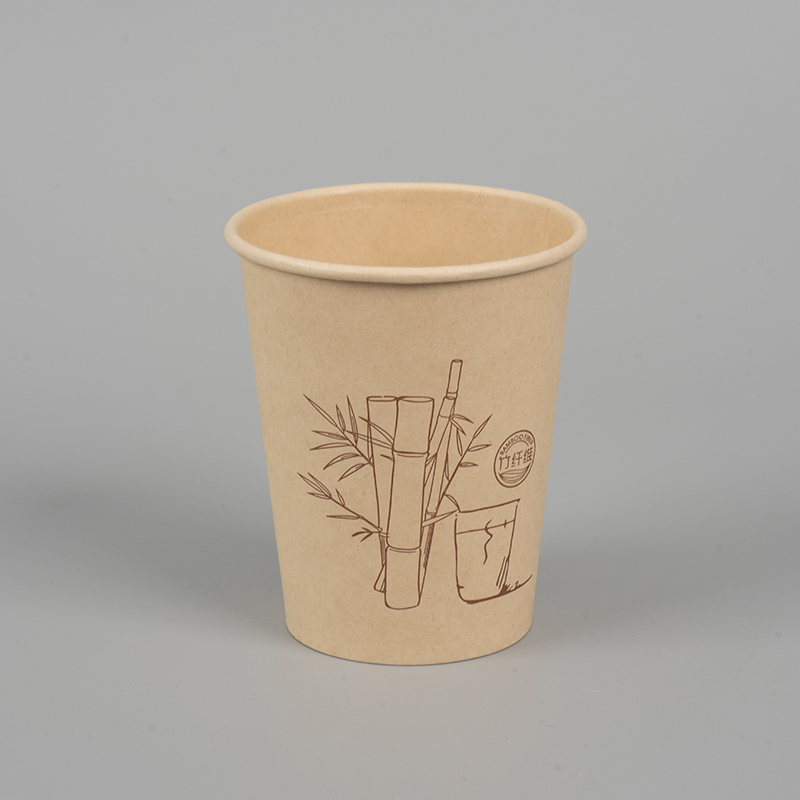
Single layer disposable bamboo pulp hot cup
-
Recyclable cold drink paper cup
-
Recyclable leakproof ice cream paper cup
-
Stackable lightweight paper pallets
-
Recyclable ship type paper tray
-
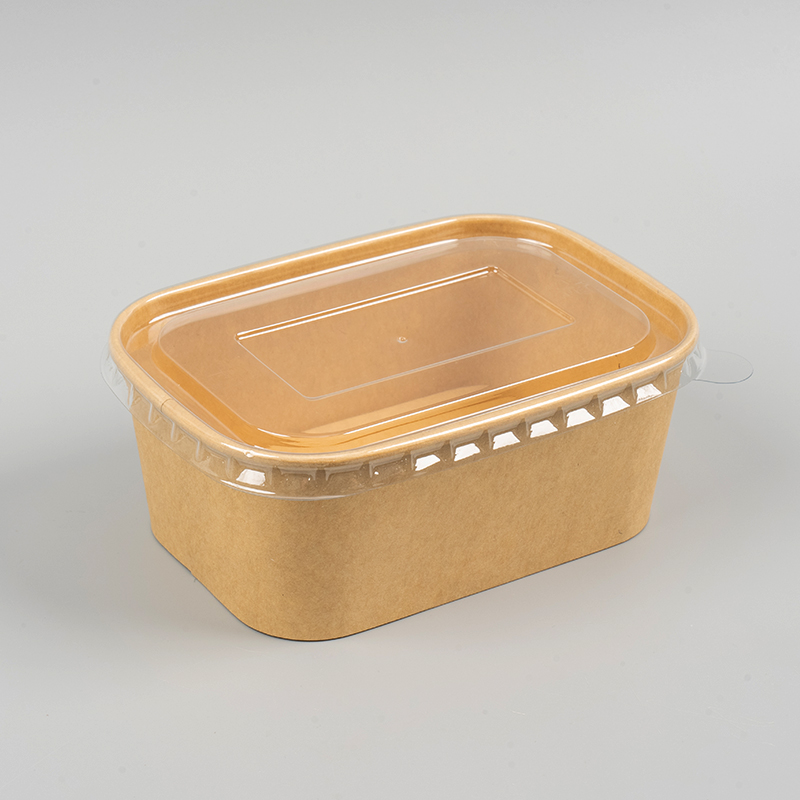
paper rectangular bowl
-
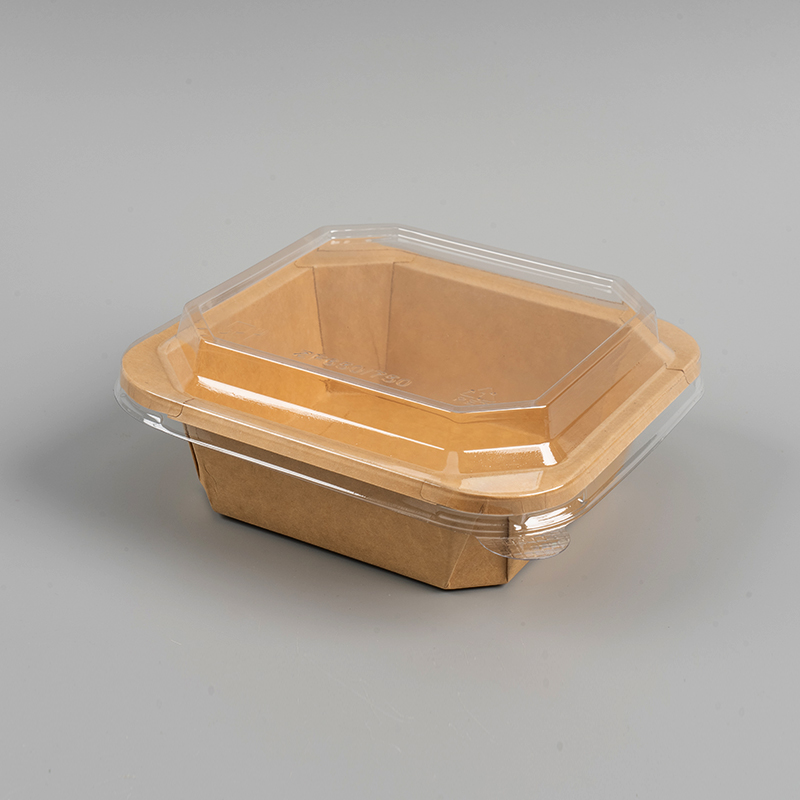
paper square tray
-
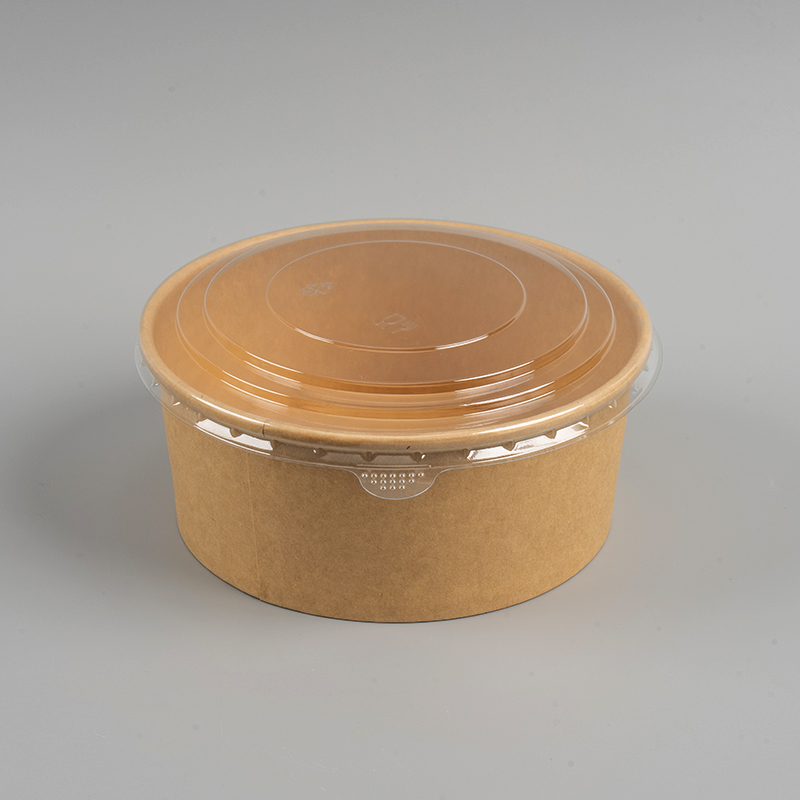
Compostable salad bowl with lid
-
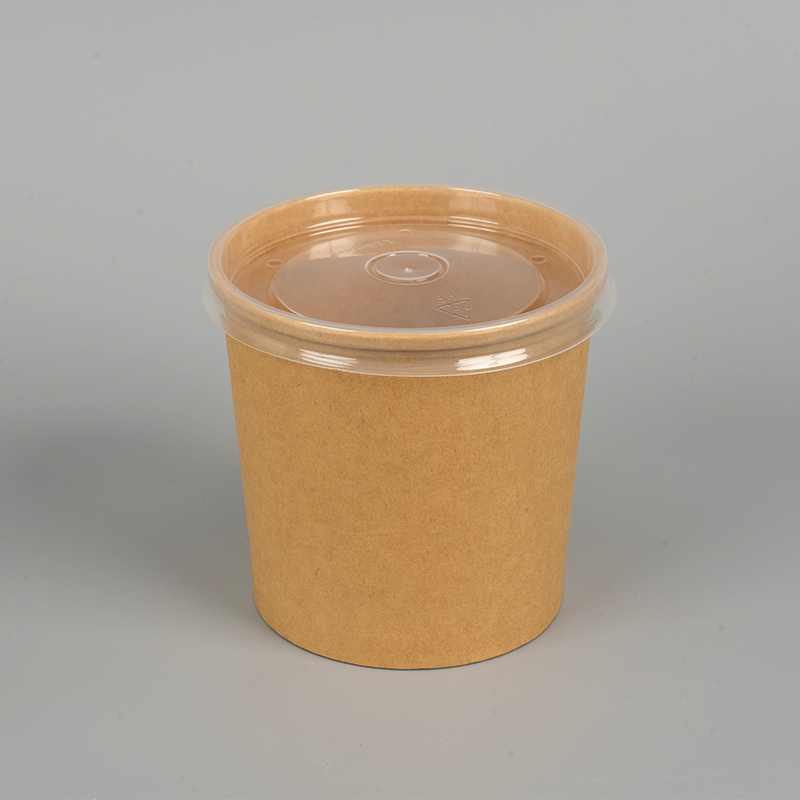
Eco-friendly kraft soup bowl
